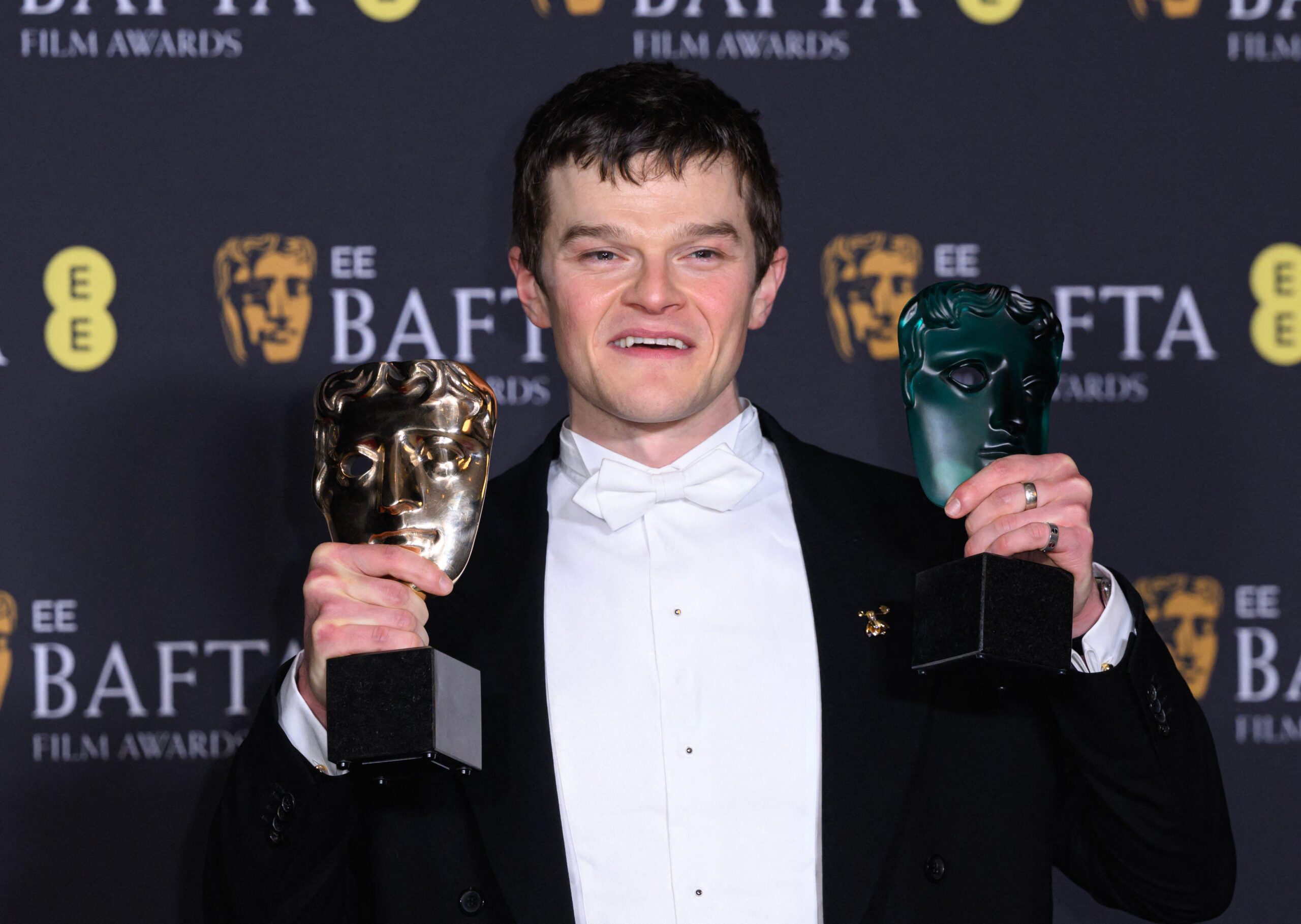
The 2026 BAFTA Craft Awards didn’t just celebrate behind-the-scenes excellence—they confirmed a cultural shift in British television. At the heart of the night stood Adolescence, the Netflix drama that has redefined how streaming audiences engage with youth narratives. Scooping two major awards, the series extended its dominance not through hype, but through meticulously crafted storytelling and production precision. Alongside it, Celebrity Traitors emerged as a surprise technical innovator, proving that even reality formats can demand cinematic-grade execution.
This year’s ceremony wasn’t about star wattage; it was about the invisible hands shaping what we see, hear, and feel. From sound design that pulls you into a character’s inner world to editing that manipulates time with emotional intelligence, the winners revealed how craft now drives audience connection as much as plot or performance.
Adolescence: A Masterclass in Emotional Realism
Adolescence didn’t win because it was popular—it won because its craft decisions elevated the genre. At the BAFTA Craft Awards, it secured Best Editing: Fiction and Best Original Score, two categories that speak directly to rhythm, pacing, and emotional subtext.
Why Editing Made the Difference
The editing team, led by veteran Fiona Chalmers, employed a fragmented, almost documentary-style timeline that mirrored the protagonist’s unstable mental state. In Episode 4, “The Silence Between,” the cuts between real-time events and intrusive memories were engineered to disorient—yet never confuse. The judges cited a 90-second sequence where a panic attack unfolds across six locations in rapid succession, stitched together to simulate sensory overload. It’s a technique rarely attempted outside arthouse cinema, yet here it served a mainstream narrative flawlessly.
Common mistakes in trauma-based storytelling—over-reliance on slow motion, dramatic music swells, or voiceover exposition—were avoided. Instead, the editing itself became the psychological lens.
The Score That Breathes
With the Characters
Composer Elias Renton, who previously scored indie films with minimal budgets, delivered a score that operates more like environmental sound than traditional music. Built from manipulated field recordings—classroom chatter reversed, playground echoes stretched into drones, and breath patterns turned into rhythmic motifs—the score never announces itself. Yet, it’s omnipresent.
One standout moment: in the final act, as the protagonist confronts their abuser, the music dissolves entirely, leaving only the amplified sound of a ticking clock and shallow breathing. The absence of melody becomes its own emotional crescendo. This restraint earned Renton his first BAFTA and signaled a shift toward more integrated sound design in dramatic scoring.
Celebrity Traitors: The Reality Show That Crafted Suspense Like a Thriller
While Adolescence dominated the drama categories, Celebrity Traitors quietly redefined what’s possible in reality television. Nominated in four craft categories, it took home Best Sound: Factual and earned a special commendation from the jury for Innovative Use of Multi-Camera Production.
Sound Design as Narrative Engine
Reality TV has long treated sound as functional—dialogue capture, ambient noise, music cues. But Celebrity Traitors used sound to build narrative tension, treating each episode like a psychological thriller. The show’s sound team embedded directional microphones in game artifacts—chairs, playing cards, even drinks—to capture subvocal cues and micro-expressions.
During the infamous “betrayal ceremony” in Episode 7, the mix isolated the sound of a contestant’s fingers tapping on a glass—increasing in tempo as guilt mounted—while subtly fading out the host’s voice. It wasn’t just immersive; it was manipulative in the best way, guiding the viewer’s suspicion without exposition.
This level of detail isn’t typical for the genre. Most reality shows prioritize speed and cost-efficiency over sonic nuance. Celebrity Traitors proved that when craft is prioritized, even a format often dismissed as “fluff” can achieve artistic weight.
The Craft Categories That Define Modern TV
The BAFTA Craft Awards spotlight disciplines that often go unnoticed by general audiences—but which define a show’s quality. In 2026, the winners reflect broader industry trends:
- Editing is storytelling – No longer just assembly, editing now drives narrative rhythm and psychological depth.
- Sound is emotion – From score to ambient design, audio shapes how we feel before we process what we see.
- Cinematography serves character – Even in reality formats, lighting and framing reflect internal states.
Adolescence and Celebrity Traitors both exemplified these shifts—but in radically different ways.
The Technical Edge That Separates Hits from Flops
Consider two recent Netflix dramas: one spent more per episode, used A-list actors, and underperformed. The other—Adolescence—was made for half the budget but dominated awards and viewership.
Why? The difference was in the craft workflow:
- Early integration of composers and editors – Renton was involved in pre-production, shaping scene structure around sonic possibilities.
- Collaborative post rounds – Editors, sound designers, and directors reviewed cuts together weekly, not in siloed stages.
- Emphasis on restraint – Every decision was filtered through: “Does this serve the character, or just look impressive?”
Most productions still treat craft roles as downstream services. The winners of 2026 treated them as co-authors.
Behind the Scenes: The Unsung Heroes of Television
When audiences watch Adolescence, they see a teenager walking down a school corridor. What they don’t see is the 47 takes required to capture the exact flicker of anxiety in the actor’s eyes—or the colorist who spent 12 hours adjusting the green tones in the school walls to evoke institutional unease.
These are the realities of award-winning craft. And unlike acting or writing, these roles rarely come with public recognition. Yet, as the BAFTAs confirmed, they’re increasingly the deciding factor in what resonates.
One editor from Adolescence put it bluntly during the post-ceremony press call: “We’re not here to make it look good. We’re here to make it feel true.”
That philosophy—truth over polish—ran through every winning project.
Why Craft Awards Matter More Than Ever
Streaming saturation has made content abundant but attention scarce. In 2026, viewers scroll past hundreds of options daily. What stops them? Not just star names or loglines—but texture. The way a scene breathes, the weight of a silence, the imperfection in a handheld shot.

Adolescence wins not because it’s flawless, but because its flaws feel human. The slight audio lag in a phone call, the way a backpack strap slips off a shoulder mid-sentence—these micro-realities are the result of obsessive craft.
Meanwhile, Celebrity Traitors uses slick production not to hide its artifice, but to heighten the game’s tension. The cold gleam of the castle set, the calculated silence before a betrayal reveal—these are deliberate choices, born from technical precision.
In a world of algorithm-driven content, craft is the antidote to homogenization.
The Bigger Picture: What These Wins Signal for British TV
The 2026 BAFTA Craft Awards didn’t just reward individual excellence—they pointed to a broader evolution. British television is no longer splitting cleanly between “prestige drama” and “commercial entertainment.” The best work now blurs those lines.
Adolescence is a Netflix global hit with the emotional depth of a Cillian Murphy film. Celebrity Traitors is a primetime reality show with the sonic sophistication of a Denis Villeneuve thriller.
This convergence is possible only when networks and streamers invest in craft as a strategic priority, not a line-item expense. Netflix, in particular, has shifted its UK production model—mandating early involvement of editors, sound designers, and composers across all original dramas. The results are visible: four of the six fiction editing nominees this year were Netflix productions.
The Legacy of a Craft-Driven Year
The 2026 BAFTA Craft Awards won’t be remembered for red carpets or speeches. They’ll be remembered as the year technical excellence was finally recognized as creative leadership.
Adolescence didn’t just win two gongs—it set a benchmark. Future teen dramas will be measured not by their casting or controversy, but by how deeply they integrate craft into storytelling.
And Celebrity Traitors? It may seem like an odd companion in this conversation. But its recognition proves that no genre is beneath artistry. When craft is applied with intention, even a game show can become a study in human behavior—captured frame by frame, sound by sound.
For creators, the message is clear: invest in the unseen. Empower your sound mixers, collaborate with your editors, trust your colorists. Because in 2026, it’s not just what you tell—it’s how you make us feel it.
FAQ
Did Adolescence win any performance-based BAFTAs? As of the 2026 Craft Awards, Adolescence has won technical categories. Performance nominations are expected at the upcoming BAFTA Television Awards.
What makes Celebrity Traitors’ sound design unique? It uses hidden microphones and psychoacoustic techniques to amplify tension, treating silence and ambient noise as narrative tools.
Is Adolescence based on a true story? The series is fictional but inspired by real testimonies from youth mental health advocates and survivors of institutional abuse.
How many BAFTA Craft Awards does Netflix dominate? In 2026, Netflix-linked productions won 9 out of 24 competitive craft awards, up from 5 in the previous year.
Can reality TV really be considered “craft-heavy”? Yes—when sound, editing, and camera work are used intentionally to shape viewer psychology, as seen in Celebrity Traitors.
Who composed the Adolescence score? Elias Renton, a composer known for experimental soundscapes in independent cinema.
Were there any surprises at the 2026 BAFTA Craft Awards? Yes—Celebrity Traitors’ win in Best Sound: Factual was unexpected, beating established documentary series.
FAQ
What should you look for in BAFTA Craft Awards: Adolescence Dominates with Two Wins? Focus on relevance, practical value, and how well the solution matches real user intent.
Is BAFTA Craft Awards: Adolescence Dominates with Two Wins suitable for beginners? That depends on the workflow, but a clear step-by-step approach usually makes it easier to start.
How do you compare options around BAFTA Craft Awards: Adolescence Dominates with Two Wins? Compare features, trust signals, limitations, pricing, and ease of implementation.
What mistakes should you avoid? Avoid generic choices, weak validation, and decisions based only on marketing claims.
What is the next best step? Shortlist the most relevant options, validate them quickly, and refine from real-world results.