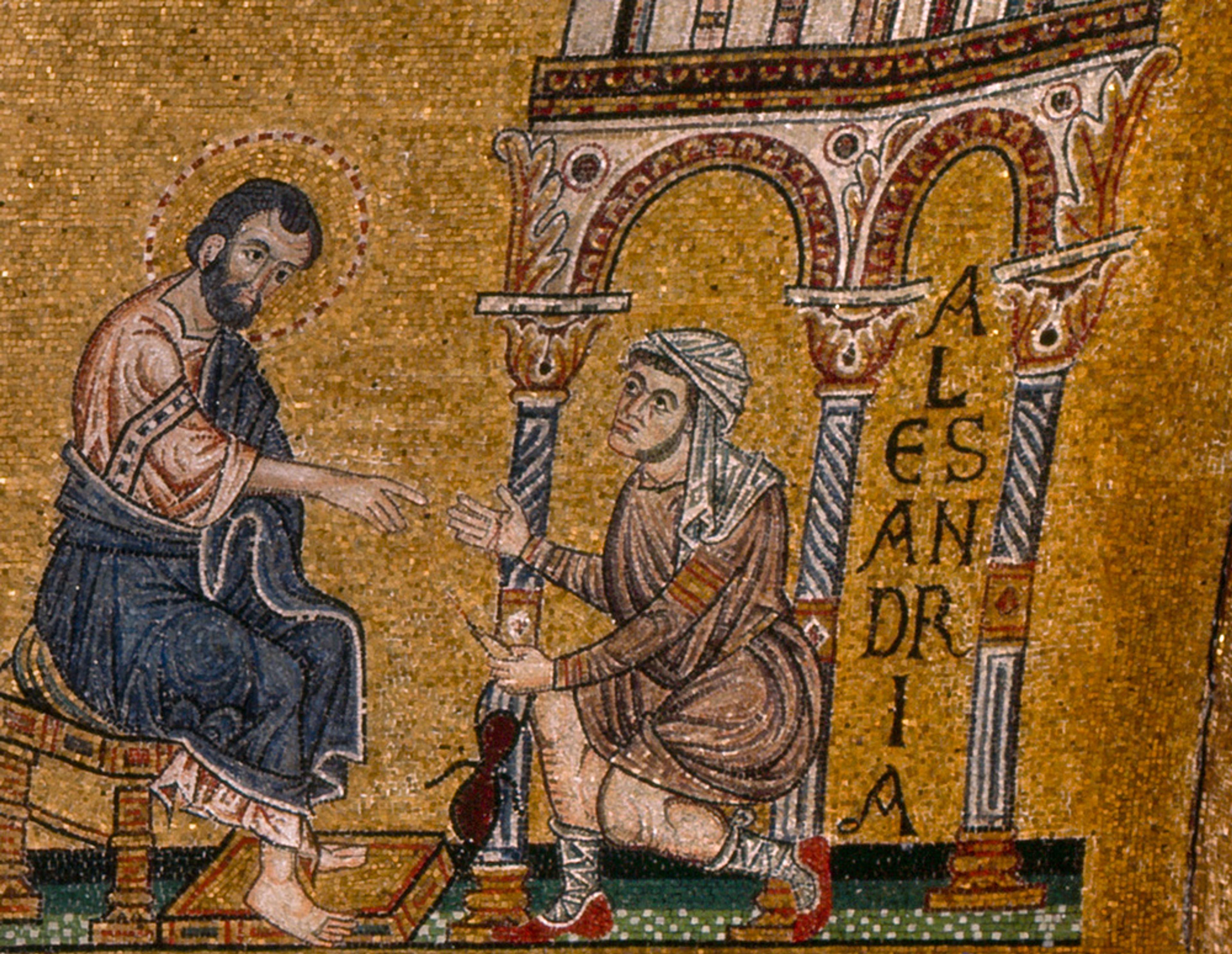
The human body in medieval art was never just flesh. It was a vessel of divine law, a mirror of social order, and a stage where salvation played out in pigment and stone. From emaciated saints to crowned kings, every limb, wound, and posture carried theological weight and political consequence. To look at a crucifix from the 12th century or a royal effigy from a cathedral floor is not to see anatomy—it is to witness ideology made visible.
Medieval artists didn’t illustrate bodies; they weaponized them. The body became a code—decoded by the Church, enforced by monarchs, and consumed by a public trained to read holiness in posture and power in proportions. This wasn’t art for art’s sake. It was art as doctrine, as discipline, as dominion.
The Body as Divine Interface
In an era when most people couldn’t read scripture, images were theology in action. The Church relied on visual art to teach doctrine, and the body was its central metaphor. Christ’s body, especially, was not merely depicted—it was dissected for meaning. Every wound from the crucifixion—the lance in the side, the thorns on the brow—was a sermon rendered in paint.
Consider the Christus Patiens (Suffering Christ) type, which gained prominence after the 10th century. Earlier depictions showed a triumphant, regal Christ on the cross—alive, eyes open, crowned. But as penitential theology deepened, artists began to emphasize Christ’s physical agony. His body slumps, his face is contorted, blood flows freely. This wasn’t just realism; it was a theological shift. Suffering became sacred. The body, in pain, was elevated as the ultimate site of divine revelation.
This emphasis served a purpose: to make salvation visceral. Viewers were meant to feel Christ’s wounds, to internalize their own sinfulness, and to understand redemption as bodily participation. The Eucharist—the literal consumption of Christ’s body—was mirrored in these images. To see the body broken was to prepare the soul to receive it.
Saints: Bodies Broken, Bodies Glorified
Saints offered another dimension of bodily theology. Their bodies were sites of奇迹 (miracles), endurance, and divine favor. Hagiographies—saints’ lives—were filled with physical trials: St. Lawrence roasted on a gridiron, St. Agnes with her throat slit, St. Sebastian pierced by arrows. In art, these tortures were not hidden but highlighted.
Why? Because pain proved sanctity. A body that endured suffering without breaking was a body aligned with God. The more extreme the torture, the greater the holiness implied. Artists rendered these scenes with careful detail—not to shock, but to instruct. The saint’s body did not scream; it smiled. It did not collapse; it stood firm. This was theology in action: the spirit conquering the flesh.
But sainthood wasn’t only about suffering. It was also about incorruptibility. After death, many saints’ bodies were said to remain fresh, untouched by decay—a visible sign of divine election. Churches competed to house these relics, and artists depicted them in gold-leaf coffins or transparent shrines. The body, even in death, became a political asset. Possession of a saint’s remains meant pilgrimage traffic, economic power, and spiritual authority.
Royal Bodies: Power Made Flesh
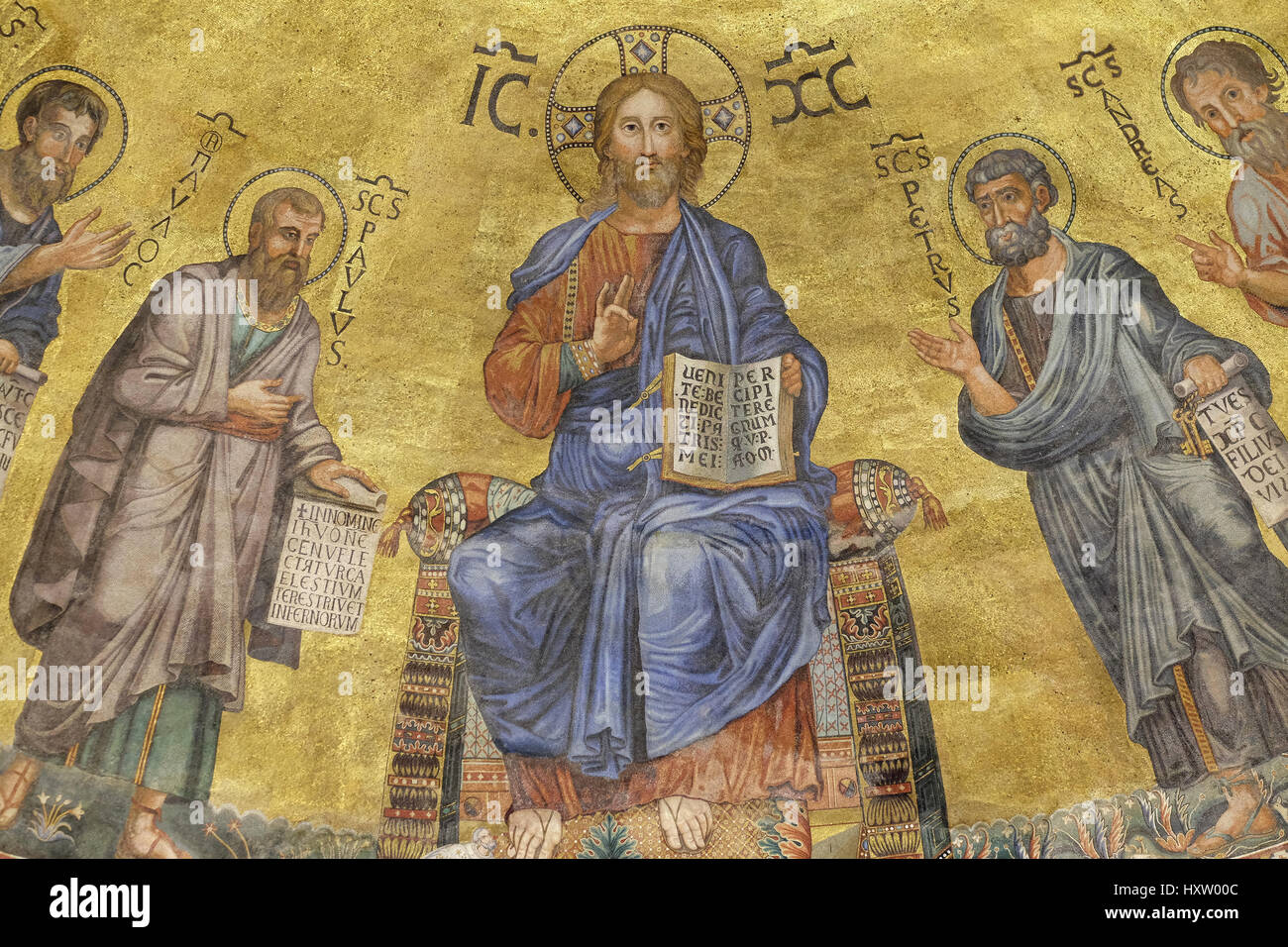
If the Church used the body to express divine will, monarchs used it to assert earthly rule. Kings weren’t just rulers—they were God’s lieutenants. Their bodies, therefore, were semi-sacred. Coronation ceremonies emphasized this: the anointing with holy oil, the crowning, the enthronement—all rituals that transformed a man into a living symbol.
Medieval art reinforced this divine right. In mosaics, frescoes, and illuminated manuscripts, kings were often depicted larger than life, seated on thrones that mirrored Christ’s. They held scepters and orbs—objects that echoed Christ’s dominion over the world. Their posture was rigid, frontal, and symmetrical: not human, but iconic.
Take the Coronation of Charlemagne as depicted in later medieval manuscripts. Charlemagne kneels before the Pope, but the composition often places him at the visual center. His body is framed by light, his crown gleams—he is both subject and sovereign. The image negotiates a delicate balance: the Pope confers legitimacy, but the king embodies it.
Royal tombs tell a similar story. Effigies of kings and queens lie in stone, hands clasped in prayer, dressed in regalia. But these aren’t mere memorials. They’re political statements—claims of enduring legitimacy, even in death. The body, carved in marble, continues to rule.
Gender, Flesh, and Control
The medieval body was also deeply gendered—and policed. Women’s bodies, in particular, were sites of theological anxiety. Eve’s disobedience was believed to have corrupted all female flesh. Thus, female saints were often depicted in ways that neutralized their sexuality: veiled, emaciated, or miraculously protected (like St. Agnes, covered by a sudden growth of hair during execution).
At the same time, the Virgin Mary offered a counter-image: pure, maternal, untainted by lust. Her body, especially in Madonna and Child icons, was soft yet contained, nurturing but chaste. She was the ideal woman—her body a vessel of grace, not desire.
This duality shaped how female religious figures were portrayed. Mystics like Hildegard of Bingen were shown receiving visions, their bodies trembling with divine energy—but always clothed, always under control. Their spiritual power was acknowledged, but never allowed to threaten social order.
Meanwhile, depictions of Eve, prostitutes, or pagan women served as warnings. Their bodies were distorted, exaggerated, or covered in shame. Art was a tool of moral instruction—and the female form, in particular, was scrutinized, regulated, and redefined.
Disability and the Theological Body
Even disability carried theological meaning in medieval art. The blind, the lame, the possessed—Christ healed them all, and these miracles were frequently depicted. But the portrayal wasn’t always compassionate.
Often, disabled figures were shown before healing: bent, grotesque, marginalized. Their bodies were symbols of sin, ignorance, or demonic influence. Healing wasn’t just physical—it was moral restoration. The straightened spine, the opened eyes, the silenced demon—each was a visual metaphor for spiritual rebirth.
This created a paradox: disability was both a sign of divine absence and an opportunity for divine display. Churches displayed relics of healed crutches or eyepatches—proof of God’s power. But they rarely celebrated disability itself. The body had to be “fixed” to be redeemed.
Still, some images hint at nuance. In certain pilgrimage scenes, disabled people are shown with dignity, often at the front of processions. Their presence affirms the Church’s healing mission. The body, even in weakness, could be part of sacred theater.
Art as Political Theater: The Body in Public Space
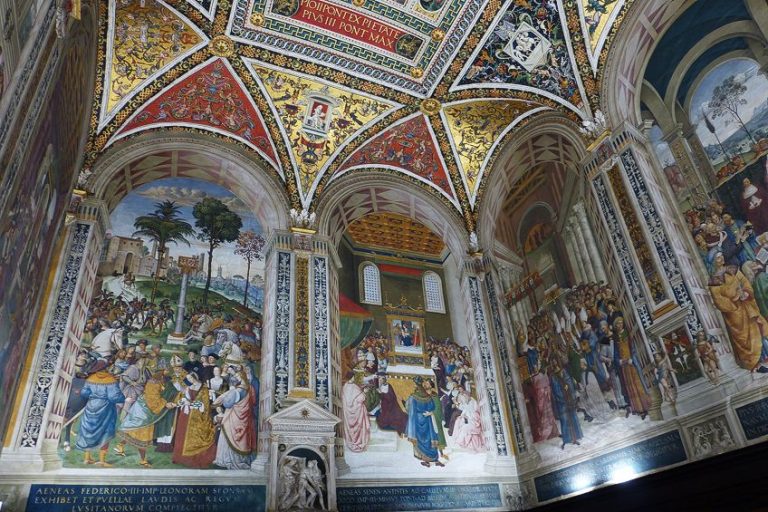
Medieval art wasn’t confined to manuscripts or altars. It occupied public space—cathedrals, city gates, market squares. And in these places, the body became a tool of civic control.
Cathedral portals, for example, were filled with sculpted bodies. The Last Judgment scenes above church doors showed naked souls rising or falling—some welcomed into heaven, others dragged to hell by demons. These weren’t abstract ideas. They were warnings, carved in stone, meant to be seen by every worshipper.
The naked bodies in hell were often twisted, violated, consumed. Their suffering was detailed: tongues pulled, eyes pecked, bodies pierced. These images reinforced social norms. To deviate—through heresy, adultery, or greed—was to risk eternal bodily torment.
Meanwhile, the elect stood serene, clothed in light, faces calm. The contrast was stark: order versus chaos, purity versus corruption. The body, once again, became the measure of morality.
The Legacy of the Medieval Body
We no longer crown kings with divine oil or display saints’ bones in golden caskets. But the medieval impulse—to politicize and sacralize the body—has never fully left us.
Look at modern political imagery: leaders framed in light, gestures choreographed, clothing symbolic. Think of religious icons still venerated, or social media profiles where bodies are curated, filtered, and weaponized. The medieval fusion of theology, politics, and bodily representation persists—just in digital form.
Medieval art didn’t just depict the body. It defined it. It told people who they were, what they owed, and what awaited them. In doing so, it turned the most basic human form—the body—into the ultimate site of meaning.
Closing: See the Body, Read the Power
Next time you see a medieval painting or sculpture, don’t just look at the face or the setting. Study the body. Notice the posture, the wounds, the garments, the scale. Ask: Why is this body shown this way? Whose authority does it serve? What truth is it meant to enforce?
Because in the medieval world, every arm raised, every crown worn, every drop of blood spilled was a statement—not just of faith, but of power. And that lesson remains as relevant as ever.
FAQ
Why did medieval art focus so much on the body? The body was the primary medium through which theology and politics were communicated. Since most people couldn’t read, visual depictions of Christ, saints, and rulers used the body to teach doctrine and assert authority.
How did the Church use images of Christ’s body? Images of Christ’s suffering body emphasized the reality of the Incarnation and the cost of salvation. The wounds of the crucifixion were visual sermons on sin, sacrifice, and redemption.
Were all royal depictions realistic? No. Kings were often shown idealized—taller, more symmetrical, more serene than in life. Their bodies were symbols of divine order, not individual likeness.
What role did women’s bodies play in medieval art? They were tightly regulated: the Virgin Mary represented purity, while Eve or sinful women symbolized danger. Female saints often overcame sexual temptation, reinforcing ideals of chastity.
How were disabled bodies portrayed? Usually as objects of pity or sin—until healed by Christ. Healing miracles validated divine power, but disability itself was rarely seen as compatible with holiness.
Did viewers question these images? Most were trained to accept them as truth. Literacy was low, and the Church controlled education and imagery. Dissent was rare and dangerous.
Is this still relevant today? Absolutely. Modern media, politics, and religion still use the body to convey power, virtue, and ideology—from presidential gestures to influencer aesthetics.
FAQ
What should you look for in How Medieval Art Turned the Body into Sacred Power? Focus on relevance, practical value, and how well the solution matches real user intent.
Is How Medieval Art Turned the Body into Sacred Power suitable for beginners? That depends on the workflow, but a clear step-by-step approach usually makes it easier to start.
How do you compare options around How Medieval Art Turned the Body into Sacred Power? Compare features, trust signals, limitations, pricing, and ease of implementation.
What mistakes should you avoid? Avoid generic choices, weak validation, and decisions based only on marketing claims.
What is the next best step? Shortlist the most relevant options, validate them quickly, and refine from real-world results.