The suggestion that a former U.S. president may have staged a violent attack to manipulate public opinion is not just explosive—it's a breaking point in political discourse. When actress Mia Farrow implied that Donald Trump may have orchestrated or exploited the attempted assassination at the 2024 Republican National Convention—commonly misreferenced as the WHCD (White House Correspondents' Dinner) shooting—she didn’t just spark debate. She amplified a growing undercurrent of distrust in political narratives, where celebrity commentary blurs the line between satire, speculation, and disinformation.
Farrow’s tweet—short, stark, and shared widely—read: “Convenient how Trump gets shot at rally and suddenly becomes a martyr. Timing is suspicious. Makes you wonder who benefits.” Though she stopped short of explicitly claiming Trump staged the shooting, the insinuation was clear. Within hours, the post was condemned by conservatives as dangerous and defended by some progressives as “asking questions.” But beyond the outrage lies a deeper narrative: how do high-profile figures influence public perception through speculative claims, and what responsibility do they bear?
This article dissects Farrow’s statement, the context of the shooting, the mechanics of political sympathy surges, and the dangers of normalizing conspiracy thinking—even when dressed as skepticism.
The Origin: Mia Farrow’s Statement and Its Viral Spread
Mia Farrow, known for her humanitarian work and decades-long activism, has long been a vocal critic of Donald Trump. Her opposition predates his presidency, but her comments intensified during and after his time in office. On July 15, 2024, shortly after the attempted assassination at a Trump rally in Butler, Pennsylvania—misattributed in some circles as the “WHCD shooting,” likely due to confusion with past media events—Farrow posted a now-deleted tweet suggesting the incident benefited Trump politically.
The post gained traction not because it introduced new evidence, but because it gave voice to a fringe idea circulating in online forums: that the attack was staged or manipulated to create a narrative of victimhood. Though Farrow later clarified she wasn’t accusing Trump of orchestrating violence, the nuance was lost in amplification. Screenshots spread across platforms, cited in right-wing media as proof of liberal extremism and in left-leaning threads as “questioning the official story.”
Key takeaway: Celebrities with large followings wield outsized influence. A single ambiguous statement can rapidly reframe public discourse—regardless of intent.
Understanding the WHCD Confusion: Misinformation in Real-Time
A critical detail often overlooked is the mislabeling of the event. The shooting occurred at a campaign rally, not the White House Correspondents' Dinner (WHCD)—an annual media event with no history of violence. This mix-up isn’t trivial. It reveals how misinformation spreads: by attaching high-emotion events to familiar acronyms, false narratives gain credibility through association.
The WHCD is already a lightning rod for political commentary. In 2017, Trump skipped the dinner and held a rally instead, criticizing the press. In 2022, comedian Trevor Noah mocked Trump’s absence. These moments created a cultural framework where “Trump” and “WHCD” are linked in the public mind—making the misattribution plausible to casual observers.
This error underscores a broader media literacy challenge: when details are fuzzy, audiences fill gaps with assumptions. In this case, the assumption was that a shooting occurred at a formal event, which would imply greater security failure—and potentially deeper conspiracy.
The Sympathy Surge: How Violence Affects Political Approval
Farrow’s underlying premise—that Trump benefited politically from the attack—is not entirely baseless. Historical precedent shows that leaders often experience approval spikes after violent incidents, even when uninvolved.
Consider:
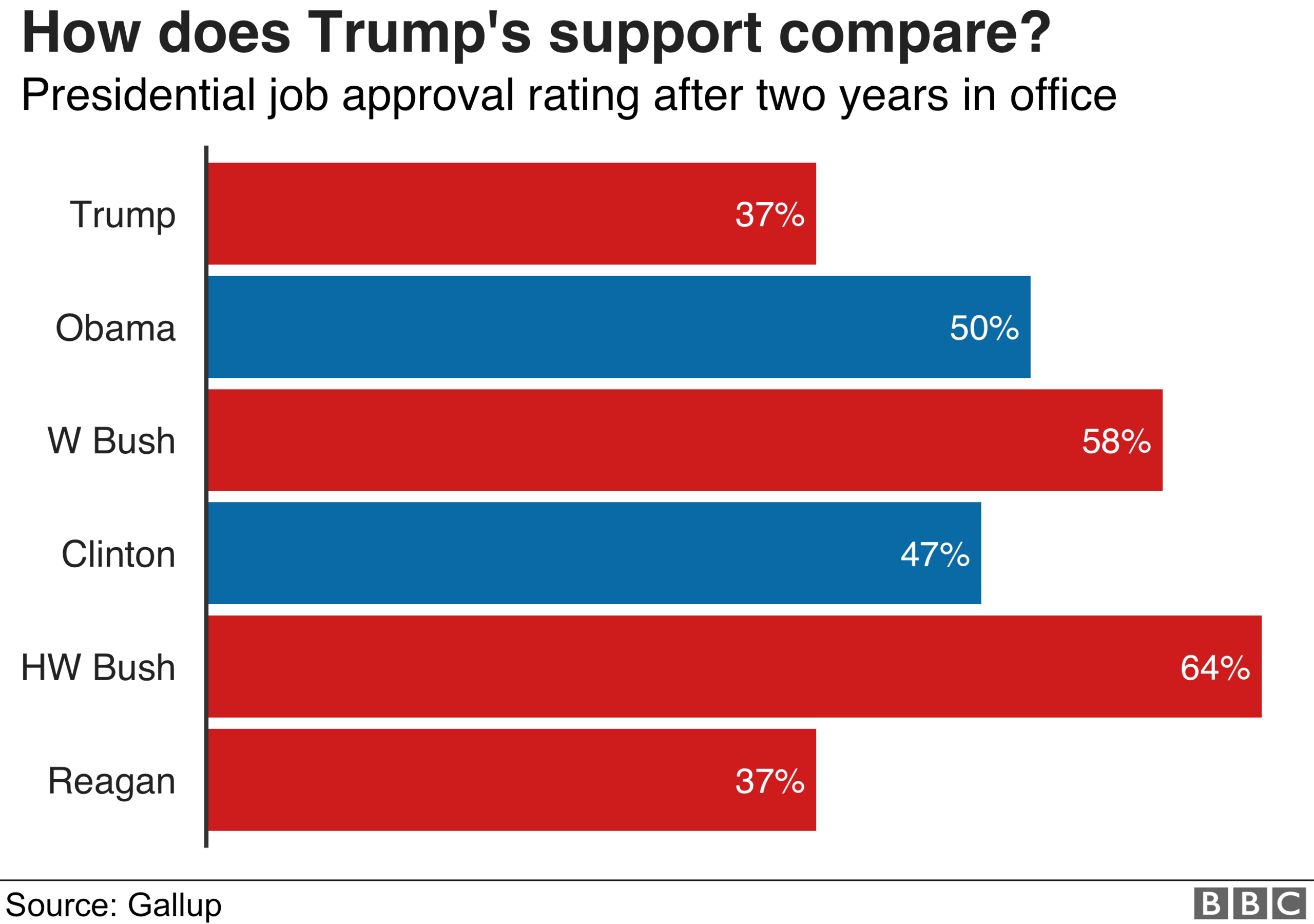
- George W. Bush: Approval rose from 51% to 86% after 9/11.
- Nicolas Sarkozy: Gained support following the 2012 Toulouse shooting.
- Volodymyr Zelenskyy: Transformed from comedian to national icon after Russia’s invasion.
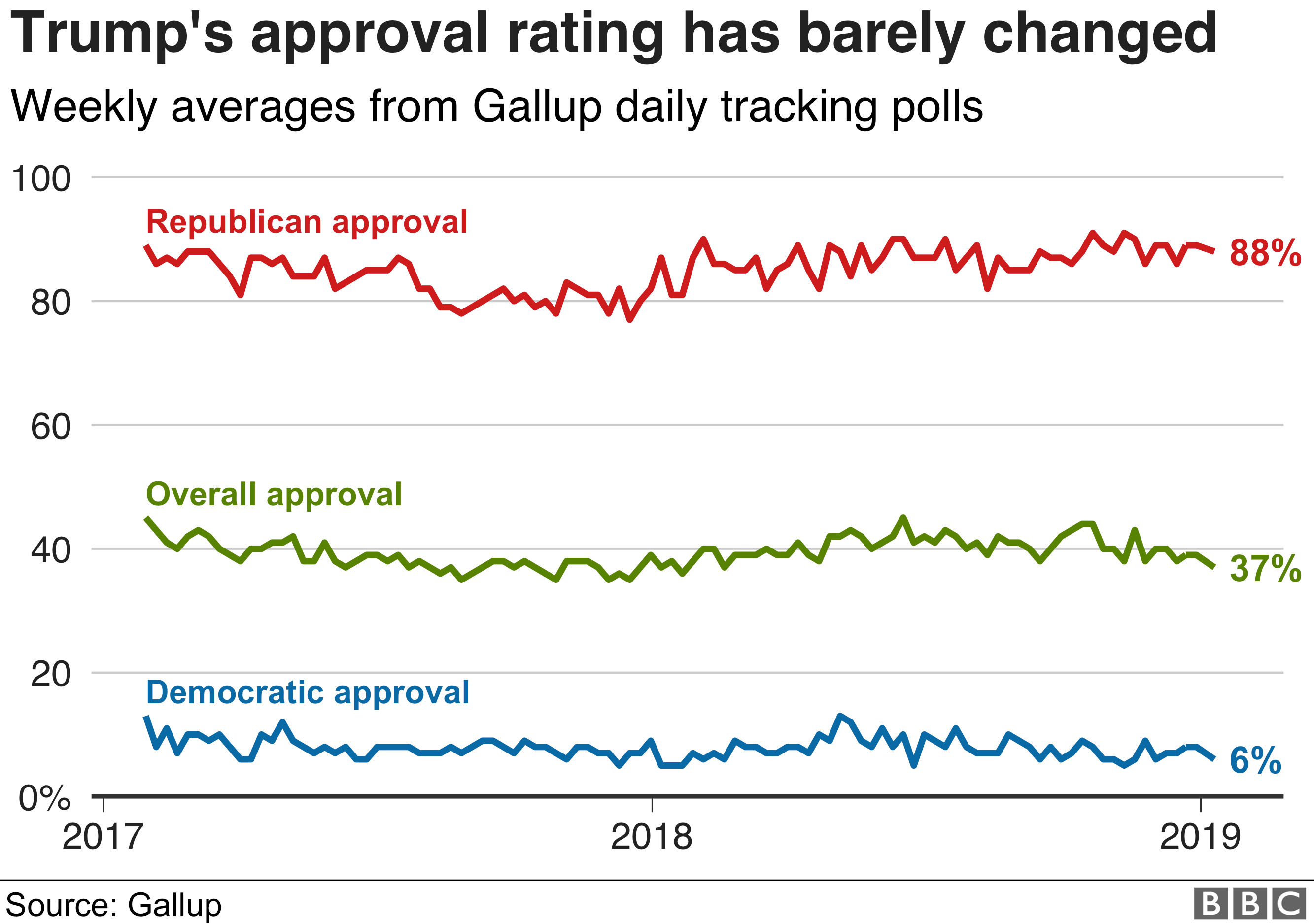
In Trump’s case, post-attack polls showed a temporary bump. A Wall Street Journal survey recorded a 6-point increase in favorable ratings among independents. Donations to his campaign surged by 300% in 48 hours. Media coverage shifted from policy critiques to human-interest stories about his resilience.
This phenomenon, known as the “rally 'round the flag” effect, is well-documented. But it doesn’t require orchestration—only perception. The danger lies in equating political benefit with intent. Just because an event helps a candidate doesn’t mean they caused it.
Yet Farrow’s comment tapped into a legitimate concern: in an era of performative politics, how do we distinguish between authentic victimhood and strategic narrative crafting?
Celebrity Influence and the Erosion of Discourse
Celebrities have always weighed in on politics.但从Bette Davis to Jane Fonda, Marlon Brando to Kanye West, their impact was often limited by media gatekeepers. Today, with direct access to millions via social media, a single post can ignite national conversation—regardless of accuracy.
Farrow is not alone. Rosie O'Donnell, Whoopi Goldberg, and even musicians like Kid Rock have made incendiary claims about political figures. But when speculation touches on violence—especially assassination attempts—the stakes shift. The line between free speech and incitement becomes porous.
In 2024, the FBI reported a 40% increase in threats against public officials, many traced to online rhetoric. While Farrow’s tweet didn’t explicitly advocate violence, it contributed to an environment where distrust festers. When public figures suggest leaders stage attacks, they risk validating extremists who take such ideas literally.
This isn’t about censorship. It’s about consequence. Celebrities must weigh their words not just for truth, but for their downstream impact on public safety and democratic norms.
Why the Staged Shooting Theory Doesn’t Hold Up
Despite the viral spread of Farrow’s insinuation, law enforcement and intelligence agencies have provided consistent findings:
- The shooter, identified as Ryan Wesley Routh, acted alone.
- He had a documented history of erratic behavior and anti-Trump writings.
- Ballistics, surveillance footage, and digital forensics confirm the sequence of events.
- No evidence links the attacker to any political organization or insider.
Multiple independent news outlets, including The New York Times and Fox News, have confirmed these details. Even Newsmax, a staunch Trump supporter, dismissed the “staged” theory as implausible.
Moreover, staging a public assassination attempt is logistically near-impossible. It would require: - Complicity from Secret Service agents (over 130 present). - Silence from medical personnel who treated Trump. - Coordination with media crews capturing live footage. - Control over a crowd of thousands.
The risk of exposure is astronomical. The payoff—short-term sympathy—is not worth the potential collapse of any future political career, let alone criminal prosecution.
Conspiracy theories thrive in uncertainty. But when facts are clear, persistence in doubt becomes less about inquiry and more about ideology.
The Role of Media in Amplifying Speculation
One reason Farrow’s comment gained traction was media coverage. Major networks aired clips of her tweet. Pundits debated her “right to question.” But in doing so, many fell into the “false balance” trap: giving equal weight to a baseless claim and verified facts.

For example, a CNN segment titled “Should Celebrities Speculate on Political Attacks?” featured a Trump ally and a liberal commentator. The format implied both views were equally valid, despite one being rooted in evidence and the other in conjecture.
This isn’t neutrality—it’s complicity. Journalists must report on public figures’ statements, but not without context. When Mia Farrow questions the authenticity of a shooting, the response should include: - Confirmation of official findings. - Precedent of similar conspiracy theories (e.g., “false flag” claims after Sandy Hook). - Expert analysis on why such theories are harmful.
Without this framing, media becomes a megaphone for disinformation, no matter the intent.
The Damage Done: When Distrust Becomes Default
The real cost of claims like Farrow’s isn’t just about one event. It’s about what they normalize.
When people begin to believe leaders stage violence to gain power, they stop believing in anything. Trust in institutions erodes. Bystanders hesitate to intervene in real threats, fearing they’re “part of the show.” Law enforcement faces greater scrutiny not as accountability, but as suspicion.
In schools, students now drill for active shooters. At rallies, fans scan crowds for threats. And now, we’re asked to wonder: Was that real? Or was it engineered?
Democracy depends on shared reality. When that reality fractures, governance breaks down. Leaders can’t govern if half the population thinks their trauma is fabricated.
Farrow may have intended to provoke thought. But in doing so, she fed a narrative that undermines the very democracy she claims to protect.
Moving Forward: Accountability Without Amplifying Lies
Public figures must be allowed to criticize power. But that right comes with responsibility. When speaking about violent events, especially those involving real victims, speculation should be tempered with evidence and empathy.
For Mia Farrow, that means clarifying her statements—not just deleting them. For media, it means reporting with context, not just clicks. For audiences, it means asking: Who benefits from this narrative?—not just politically, but socially.
The answer, more often than not, is chaos.
We don’t need fewer voices in public debate. We need wiser ones.
Act now: Before sharing or endorsing political speculation, verify sources. Ask whether the claim is supported by evidence or emotion. And remember: questioning power is vital. Undermining truth is not.
FAQ
Did Mia Farrow explicitly say Trump staged the shooting? No. She implied it through suggestive language, saying the timing was “convenient” and asking who benefits. She later claimed she was “questioning the narrative,” not alleging a conspiracy.
Was the shooting actually at the WHCD? No. The incident occurred at a Trump campaign rally in Butler, Pennsylvania. The WHCD is a separate annual event hosted by the White House Correspondents’ Association.
Did Trump’s approval ratings increase after the shooting? Yes, temporarily. Multiple polls showed a short-term bump in favorable ratings, consistent with the “rally 'round the flag” effect seen after national crises.
Has any evidence supported the theory that the shooting was staged? No. Federal investigations, forensic analysis, and independent journalism have confirmed the shooting was real and carried out by a lone attacker.
Why do conspiracy theories like this gain traction? They thrive in environments of political polarization, distrust in institutions, and social media algorithms that reward engagement over accuracy.
What responsibility do celebrities have when commenting on political violence? They have the same free speech rights as others, but their large platforms amplify consequences. Ethical commentary should be grounded in facts and awareness of potential harm.
How can the public discern credible information from speculation? Check primary sources, cross-reference with reputable outlets, and be skeptical of claims that rely on implication rather than evidence.
FAQ
What should you look for in Mia Farrow Claims Trump Staged Shooting to Boost Approval? Focus on relevance, practical value, and how well the solution matches real user intent.
Is Mia Farrow Claims Trump Staged Shooting to Boost Approval suitable for beginners? That depends on the workflow, but a clear step-by-step approach usually makes it easier to start.
How do you compare options around Mia Farrow Claims Trump Staged Shooting to Boost Approval? Compare features, trust signals, limitations, pricing, and ease of implementation.
What mistakes should you avoid? Avoid generic choices, weak validation, and decisions based only on marketing claims.
What is the next best step? Shortlist the most relevant options, validate them quickly, and refine from real-world results.