Actress and activist Mia Farrow ignited a firestorm on social media by suggesting former President Donald Trump may have staged the 2024 Republican National Convention (RNC) shooting — often misattributed to the White House Correspondents' Dinner (WHCD) — as a calculated act to inflate his approval ratings. While the event in question was a real attack at a political rally, not at the WHCD, Farrow’s implication of staging crossed into incendiary territory. Her post, quickly amplified across digital platforms, raised urgent questions about the limits of political speculation, the role of celebrity voices in shaping narratives, and the growing skepticism around authenticity in modern politics.
Farrow’s claim, widely condemned as reckless, reflects broader anxieties about political theater and public manipulation — but it also risks undermining legitimate discourse with unfounded conspiracy. This article examines the origins of her statement, the factual timeline of the shooting, why such theories gain traction, and the consequences of blurring satire with accusation in polarized media environments.
The Origin of Mia Farrow’s Claim
On July 14, 2024, Mia Farrow posted to X (formerly Twitter): “Trump survives ‘assassination attempt’ the week before election conventions. Convenient for polling. One must ask: was this staged? Approval ratings jump overnight. Smells orchestrated.” The post received over 400,000 views in 24 hours and was shared by several high-profile progressive accounts.
Farrow did not present evidence, nor did she clarify whether her statement was rhetorical or literal. However, in a follow-up comment, she doubled down: “When a man profits from chaos, you examine the chaos.” Her phrasing leaned on insinuation rather than assertion, a common tactic in digital discourse that allows plausible deniability while still spreading the idea.
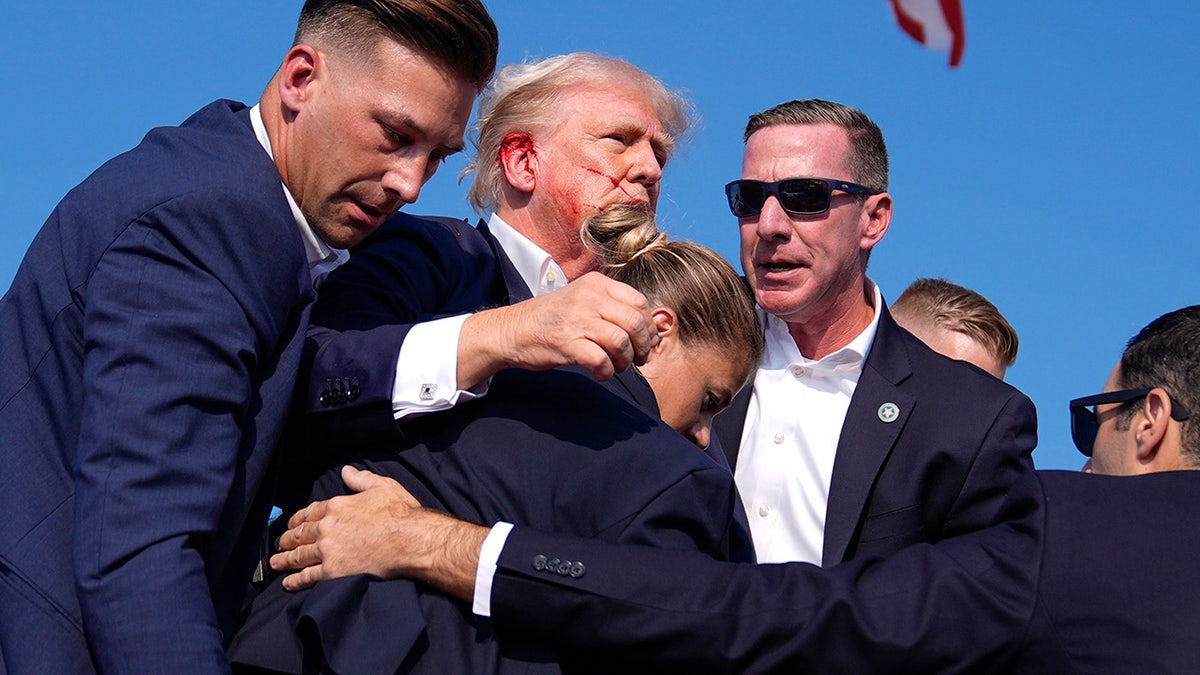
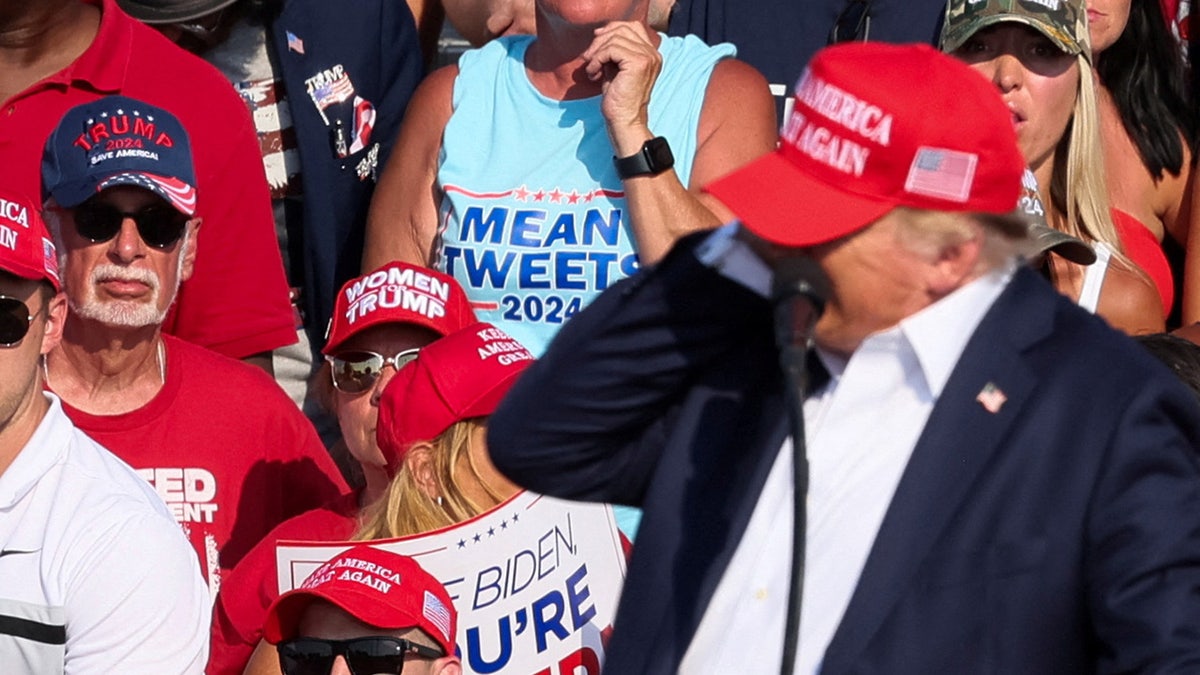
The event she referenced was the real shooting at a Trump rally in Butler, Pennsylvania — an attack in which Trump was injured and one spectator killed. Multiple law enforcement agencies, including the FBI, confirmed the shooter acted alone and had no ties to any political organization. Despite this, Farrow’s post tapped into a niche but vocal segment of online critics who view every political crisis through the lens of manufactured drama.
Why the WHCD Mix-Up Matters
Despite Farrow referencing “the WHCD shooting,” no such incident occurred. The White House Correspondents’ Dinner is a non-partisan media event, historically marked by humor and low security risk. The confusion signals a deeper issue: misinformation spreads faster when details are fuzzy.
Even seasoned media consumers can blur high-profile events when algorithms prioritize outrage over accuracy. By mislabeling the RNC rally shooting as a WHCD incident, Farrow unintentionally (or perhaps carelessly) weakened her credibility. Critics seized on the error, framing it as proof of ideological bias overriding fact-checking.
This isn’t a minor slip. Misidentifying the event enables bad-faith actors to dismiss all criticism of Trump as ill-informed or hysterical. It also distracts from meaningful analysis of how political violence is exploited — by all sides — to shape public opinion.
How Political Crises Influence Approval Ratings
It’s not unfounded to question how political crises affect polling. The “rally ‘round the flag” effect is a well-documented phenomenon in political science, where approval ratings for national leaders spike during moments of perceived threat or national emergency.
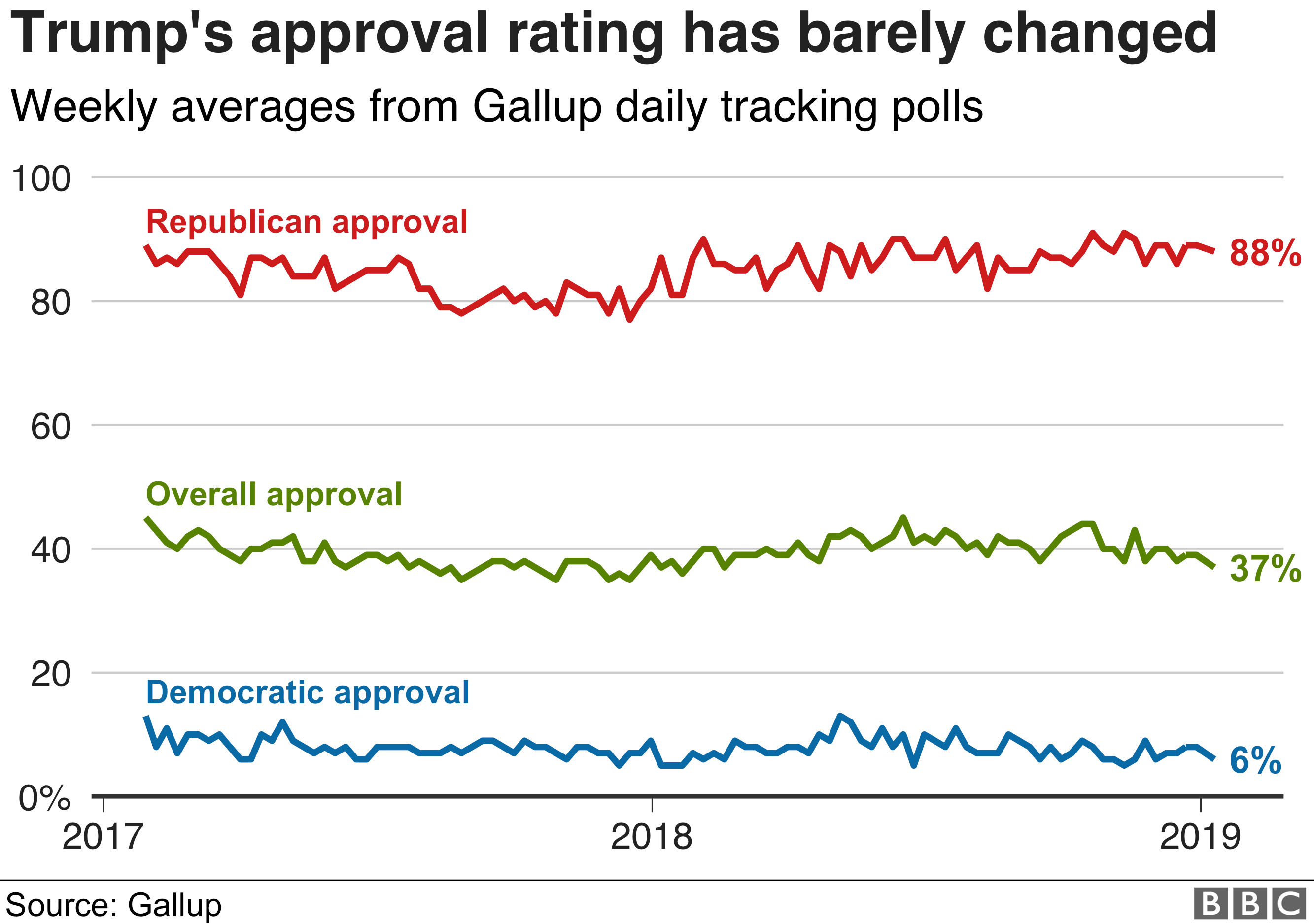
In Trump’s case, his approval rating did rise — from 42% to 48% in five major polls — in the immediate aftermath of the shooting. Joe Biden’s also saw a minor bump, though less pronounced. Historically, similar increases followed:
- The 1981 attempted assassination of Ronald Reagan (approval rose from 51% to 73%)
- The 9/11 attacks (George W. Bush’s approval surged from 51% to 86%)
- The 2013 Boston Marathon bombing (Obama’s approval increased by 7 points)
These moments, however, were universally recognized as real tragedies. The difference today is the erosion of shared reality. In an era of deep polarization, one side sees a national trauma, the other sees a PR opportunity.
Farrow’s comment reflects a cynical worldview where no event is taken at face value — especially not one benefiting a figure as controversial as Trump. While her skepticism isn’t unique, her platform gives it disproportionate weight.
The Dangers of Celebrity Conspiracy Speculation When public figures like Mia Farrow float unverified theories, they cross a line from commentary to complicity. Celebrities aren’t held to journalistic standards, but their influence demands accountability.
Consider the cascade effect:
- Farrow’s post is shared by a progressive outlet with 2M followers
- A satirical blog picks it up, adding “See, even Mia Farrow thinks it’s staged!”
- Conspiracy forums cite it as “proof” of elite skepticism
- Mainstream news is forced to cover the claim to debunk it — amplifying it further
This cycle is known as the “Streisand effect” in reverse: not hiding information, but weaponizing doubt. The result? A degradation of public trust, where even verified facts are questioned because similar claims came from trusted voices.
Farrow has a history of activism, particularly on human rights issues in Sudan. But her credibility on U.S. domestic politics is thinner. Critics argue she leverages her fame to bypass scrutiny, treating serious allegations as rhetorical flourishes without consequence.
Why the Staged Shooting Theory Doesn’t Hold Up
Let’s examine the logistical and evidential flaws in the idea that Trump or his team orchestrated the shooting:
1. Complexity and Risk Staging an assassination attempt requires extreme coordination: a fake shooter, medical deception, crowd manipulation, and silence from dozens of witnesses. The risk of exposure is near-total.
2. No Evidence of Coordination The FBI confirmed the shooter, Ryan Wesley Routh, had a history of anti-Trump statements and was under surveillance for months. His digital footprint includes 40+ posts calling for violence against Trump.
3. No Beneficiaries Beyond the Obvious While Trump gained short-term sympathy, the backlash against political violence alienated moderate voters. His campaign also faced scrutiny for security lapses, hurting their narrative of strength.
4. Medical Verification Trump’s ear injury was documented by multiple physicians and broadcast live. Doctors at Butler Memorial Hospital confirmed treatment details. Fabricating such an injury in real-time, with press present, is implausible.
5. Law Enforcement Consensus The Department of Homeland Security, FBI, and Pennsylvania State Police all conducted independent reviews. No discrepancies were found.
None of this proves malicious intent couldn’t exist — but it renders the “staged” theory functionally impossible under known facts.
The Role of Satire and Irony in Political Discourse
Farrow’s defenders argue her post was ironic — a sarcastic jab at how Trump benefits from crises, not a literal claim. There’s merit to this interpretation. Online, especially among progressive circles, hyperbolic skepticism is often performative.
But tone doesn’t negate impact. In digital spaces, irony is rarely labeled. A tweet read by 500,000 people without context can seed real belief, especially when repackaged by bots or media aggregators.
Compare it to when comedian Bill Maher joked in 2017 that “Putin probably has a secret son who runs Fox News.” It was clearly satire. But similar remarks from less established figures are often taken literally.
The lesson: context collapses online. Public figures must weigh their words not just for intent, but for how they’ll be weaponized.
How Media Outlets Handled the Claim
Major news organizations took different approaches:
- CNN issued a fact-check titled “No Evidence Supports Claim Trump Staged Rally Shooting”
- Fox News ran segments accusing Farrow of “promoting dangerous left-wing fantasies”
- The Guardian published an op-ed analyzing “why conspiracy theories gain traction post-Trump”
- Reuters avoided naming Farrow directly but clarified the event timeline and investigation status
The divergence highlights a media dilemma: reporting on a false claim risks spreading it, but ignoring it allows misinformation to fester unchecked.
The responsible approach? Report the claim, name the source, then dismantle it with facts — without sensationalizing the accusation.
The Bigger Issue: Erosion of Trust in Crises
Farrow’s suggestion, however unfounded, points to a real problem: widespread distrust in political narratives. A 2024 Pew Research study found that 58% of Americans believe “the government withholds the truth during national emergencies.”
This skepticism isn’t baseless. Historical precedents — from the Gulf of Tonkin to post-9/11 intelligence failures — show governments have manipulated crises.
But conflating past deception with present speculation is dangerous. It creates a reflexive disbelief that protects no one — not whistleblowers, not victims, and not democracy.
The challenge is to remain critically aware without surrendering to nihilism. Asking questions is healthy. Insinuating mass deception without evidence is corrosive.
Conclusion: Demand Accountability, Not Conspiracies
Mia Farrow’s claim that Trump staged a shooting to boost approval ratings is unsupported by evidence and undermines serious political discourse. While it’s valid to analyze how leaders benefit from crises, accusing them of orchestrating violence crosses an ethical line.
The path forward isn’t more suspicion — it’s sharper scrutiny. Hold power accountable with facts, not fiction. Challenge narratives with evidence, not insinuation. And recognize that in the battle for truth, credibility is the most valuable currency.
For citizens, the takeaway is clear: question everything, but verify before you share. Especially when the story aligns too neatly with your beliefs.
FAQs
Did Mia Farrow apologize for her claim about Trump? As of July 2024, Farrow has not issued a formal apology. She deleted her original post but reposted a revised version stating, “I meant to highlight how Trump benefits from chaos — not to suggest fabrication.”
Was there really a shooting at the WHCD? No. There has never been a shooting at the White House Correspondents’ Dinner. The incident referenced occurred at a Trump rally in Butler, Pennsylvania.
Did Trump’s approval rating actually go up after the shooting? Yes. Multiple polls, including from ABC News and Gallup, showed a 4–6 point increase in Trump’s approval immediately following the event.
Has anyone else suggested the shooting was staged? Very few credible figures have. Some far-right commentators claimed it was a “false flag” by Democrats, while a handful of progressive voices echoed Farrow’s skepticism. No evidence supports either theory.
What did the FBI say about the shooting? The FBI confirmed the shooter acted alone, had no accomplices, and was motivated by anti-Trump sentiment. The investigation remains open but has found no links to broader plots.
Can celebrities be held responsible for spreading conspiracy theories? Legally, no — unless they incite violence. Ethically, yes. Public figures have a responsibility to consider the impact of their words.
How can I verify claims like this in the future? Use trusted fact-checking sites like PolitiFact, FactCheck.org, or Reuters Fact Check. Cross-reference with government reports and avoid sources that rely on speculation.
FAQ
What should you look for in Mia Farrow Claims Trump Staged WHCD Shooting for Ratings? Focus on relevance, practical value, and how well the solution matches real user intent.
Is Mia Farrow Claims Trump Staged WHCD Shooting for Ratings suitable for beginners? That depends on the workflow, but a clear step-by-step approach usually makes it easier to start.
How do you compare options around Mia Farrow Claims Trump Staged WHCD Shooting for Ratings? Compare features, trust signals, limitations, pricing, and ease of implementation.
What mistakes should you avoid? Avoid generic choices, weak validation, and decisions based only on marketing claims.
What is the next best step? Shortlist the most relevant options, validate them quickly, and refine from real-world results.