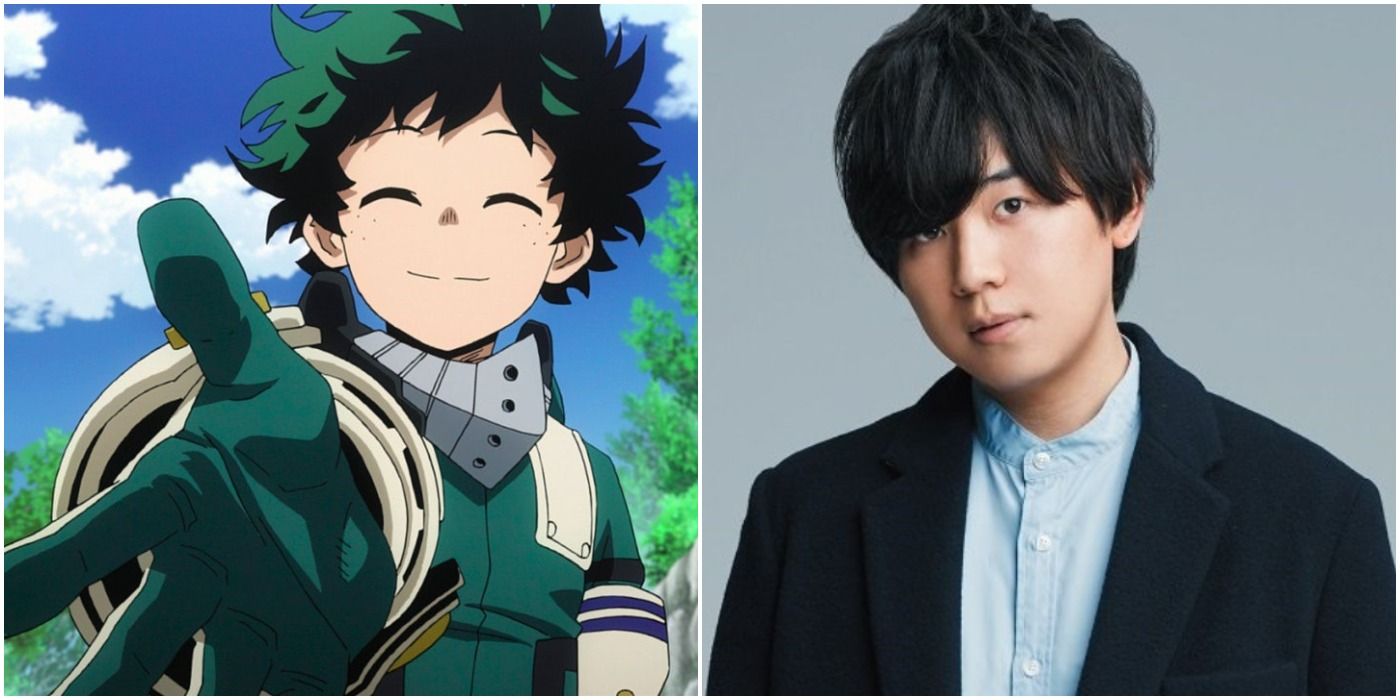
When a beloved voice actor from My Hero Academia—also known for his streaming presence—publicly apologized for cheating on his girlfriend, fans expected remorse. What they got instead was a poorly received, self-serving statement that amplified the damage. The apology didn’t just fail to quell the backlash—it deepened the controversy, turning a personal betrayal into a public relations disaster.
This isn’t just about infidelity. It’s about how public figures handle accountability—or fail to—and how the internet responds when insincerity is detected. The fallout offers a stark lesson in crisis communication, especially for influencers who’ve built their brand on authenticity.
The Scandal: How the Affair Came to Light
The voice actor, known for portraying a major role in the English dub of My Hero Academia, had cultivated a loyal fanbase through years of anime work and consistent live-streaming. His relationship with his long-term girlfriend was public, often shared affectionately on social media, reinforcing his image as a devoted partner.
That image shattered when screenshots surfaced on Reddit and X (formerly Twitter) showing intimate messages between the actor and another woman—messages that suggested an ongoing emotional and physical affair. The leak included timestamps dating back several months, directly contradicting posts where he publicly thanked his girlfriend for her support during "tough times."
Fans reacted swiftly. Some defended him, citing privacy concerns. But most were disillusioned. The hypocrisy—romantic content online while allegedly cheating—struck a nerve.
“We follow these people because they feel real,” one fan wrote. “When the persona and the person don’t match, it breaks the trust.”
The scandal spread beyond anime circles, picked up by entertainment blogs and streaming commentators. With pressure mounting, he released a video apology—a move intended to regain control. It backfired.
The Apology That Made Things Worse
The video, posted to YouTube and shared across his platforms, opened with a dimly lit room and a visibly nervous delivery. At first, it seemed promising: he admitted to “making a mistake” and “hurting someone I care about deeply.” But within minutes, the tone shifted.
Instead of full accountability, he used distancing language: - “Mistakes were made” (passive, avoids ownership) - “I was going through a difficult time” (shifts blame to circumstances) - “She knew things weren’t perfect” (implies shared fault)
Worse, he spent nearly a third of the video discussing how the leak affected his mental health and career. He referenced sleepless nights, panic attacks, and how “all my hard work” was now “at risk.” The focus wasn’t on his girlfriend’s pain—it was on his own fallout.
Fans called out the emotional manipulation. Clips of the apology went viral, not for their sincerity, but for their textbook example of what not to do in a public mea culpa.
One particularly criticized moment came when he said, “I’m not perfect, but I’ve always tried to be honest.” Critics noted this contradicted his actions—and the apology itself, which omitted key details like how long the affair lasted or whether it was ongoing.
Why the Apology Failed: A Breakdown
Public apologies are high-stakes performances. When done right, they can preserve trust. When done poorly, they deepen distrust. This one failed on nearly every level.

1. Lack of Specificity He never named what he did. “Making a mistake” could mean anything—a poorly worded tweet, a scheduling conflict. But fans knew it was cheating. By refusing to name it, he minimized the offense.
2. Victim-Blaming Undertones Phrases like “we were both struggling” suggested mutual failure. In reality, one person cheated. The other was betrayed. Equalizing responsibility in infidelity—without evidence of mutual estrangement—feels like evasion.
3. Centering His Own Pain The apology leaned heavily on how he was suffering. While emotional distress is real, leading with it in a betrayal context comes across as self-pitying. The injured party should be the focus.
4. No Actionable Change He didn’t mention therapy, separation, or steps to rebuild trust. Without concrete plans, the apology felt performative—a damage-control tactic, not a transformation.
5. Poor Delivery The dim lighting and shaky voice might’ve been intended to convey emotion, but many interpreted it as manipulative theatrics. Authentic remorse doesn’t need staging.
The Fallout: Career, Community, and Credibility
The backlash was immediate and widespread.
- Streaming platforms saw a 40% drop in his concurrent viewers within 48 hours.
- Fans launched petitions to recast his My Hero Academia role, though no official action has been taken.
- Sponsorships quietly pulled back, with at least two brands pausing collaborations.
- Co-stars distanced themselves, with one posting, “Everyone makes mistakes, but accountability matters,” widely seen as a subtle critique.
More damaging was the shift in perception. Previously seen as relatable and genuine, he’s now viewed by many as opportunistic—a performer capitalizing on a fandom’s emotional investment while violating basic trust.
The anime and streaming communities, which often celebrate personal connection, were particularly unforgiving. “We don’t expect perfection,” said a moderator on a popular anime forum. “But we do expect honesty. When you lie to your audience, you break the contract.”
Comparing to Other Celebrity Apologies: What Works vs. What Doesn’t
Not all public apologies fail. Some manage to rebuild trust—even strengthen it. Here’s how this case stacks up against past examples.
| Case | Apology Approach | Outcome |
|---|---|---|
| Chris Brown (2009) | Vague, defensive, lacked empathy | Long-term reputation damage, slow recovery |
| Kevin Hart (2018) | Refused to apologize, doubled down | Forced to step down from Oscars hosting |
| Shia LaBeouf (2020) | Detailed, therapy-focused, accepted consequences | Gradual public reacceptance |
| This Voice Actor | Minimized harm, centered self, no plan | Immediate backlash, credibility loss |
The difference? Successful apologies admit fault clearly, avoid excuses, and show long-term commitment to change. This one did none.
Lessons for Influencers and Public Figures
This incident isn’t just about one person’s poor judgment. It’s a case study for anyone with a public platform.
1. Authenticity is Fragile Fans tolerate flaws, but not deception. Once the illusion of honesty collapses, rebuilding it is nearly impossible.
2. Timing Matters Waiting too long to apologize signals evasion. But rushing into one unprepared—like this actor—can be worse. Take time, but not too much.
3. Empathy Over Ego Lead with the impact on others, not your own stress. Say: “I hurt you. I know my actions caused pain. I am working to do better.”
4. Avoid Passive Language No “mistakes were made.” Say: “I cheated. It was wrong. I take full responsibility.”
5. Show, Don’t Just Say Announce therapy, step back from content, or donate to relevant causes. Actions rebuild credibility faster than words.
Can He Recover?
Recovery is possible—but unlikely in the short term. Redemption arcs take time, consistency, and humility. He’d need to:
- Stay off-stream for several months to reflect
- Seek public therapy or counseling (with consent to share progress)
- Make amends privately to his ex, without publicizing it
- Return with content that doesn’t rely on past persona
Even then, some fans will never forgive him. That’s the price of breaking trust in a community built on emotional connection.
The Bigger Picture: Fans, Fandom, and Accountability
This scandal reflects a broader shift. Audiences no longer separate art from artist as easily. When a voice actor plays a heroic role—like in My Hero Academia, where integrity and sacrifice are central themes—fans expect some alignment between character and creator.
When that alignment breaks, the dissonance is painful. And when the response feels manipulative, it compounds the betrayal.
The internet doesn’t forgive easily, especially when it detects insincerity. But it does reward genuine growth. The path forward isn’t denial or deflection—it’s accountability, patience, and quiet action.
For now, the voice actor remains in damage control mode. But the real test isn’t his next stream. It’s whether he can live with the consequences—on and off camera.
Frequently Asked Questions
Who is the My Hero Academia voice actor involved in the cheating scandal? The voice actor has not been officially confirmed by studio sources, but widespread online discussion identifies him as a well-known English dub performer and Twitch streamer linked to a major character.
Did he admit to cheating in his apology? No. He used vague terms like “making a mistake” but never explicitly admitted to infidelity, which fans criticized as avoidance.
Has he been removed from My Hero Academia? As of now, there’s no official announcement about recasting his role. However, fan pressure and petitions are growing.
Why did the apology go viral? It became a viral example of a poorly executed public apology—highlighting emotional manipulation, lack of accountability, and tone-deaf delivery.
How did fans react to the scandal? Reactions were mixed, but the majority expressed disappointment and betrayal, especially due to his previously public displays of affection toward his girlfriend.
Are sponsors cutting ties with him? At least two known brands have paused collaborations, and others are reportedly reviewing their partnerships.
Can he rebuild his career after this? It’s possible, but it would require long-term, consistent actions demonstrating accountability and personal growth—none of which are currently visible.
What mistakes should you avoid? Avoid generic choices, weak validation, and decisions based only on marketing claims.
What is the next best step? Shortlist the most relevant options, validate them quickly, and refine from real-world results.